visit my main website: www.thinkofpatrick.com
Why You Need
a Buyer’s Agent
When Buying a Home
Many buyers ask the same question at some point:
Do I really need a buyer’s agent?
On the surface, it may seem like you can find homes online, schedule showings, and submit an offer without professional representation.
But buying a home involves contracts, negotiations, inspections, and financial decisions that most people do not deal with on a regular basis.
Understanding what a buyer’s agent actually does, and what can happen without one, can help you make a more informed decision before moving forward.
What Is a Buyer’s Agent
(And Who Do They Represent?)
A buyer’s agent is a licensed real estate professional who
represents the interests of the buyer during a real estate transaction.
This means the agent has a fiduciary duty to the buyer.
Fiduciary duty includes responsibilities such as:
• loyalty to the client
• confidentiality
• full disclosure
• reasonable care
• obedience to lawful instructions
In simple terms, a buyer’s agent is legally and ethically required to act in the buyer’s best interest throughout the transaction.
This is very different from dealing directly with a listing agent, whose responsibility is to represent the seller.
In addition to representing buyers, my experience working with sellers provides insight into how listing agents and sellers evaluate offers, which can influence negotiation strategy and outcomes.
The Biggest Misconception:
“Agents Just Open Doors”
One of the most common misconceptions is that real estate agents primarily show homes.
In reality, showing homes is a small part of the overall process.
Much of the work happens behind the scenes, including:
• analyzing property values
• identifying risks in a transaction
• structuring offers strategically
• negotiating terms
• coordinating inspections and timelines
• working with lenders, attorneys, and title companies
These are the parts of the process that can have the greatest financial impact on a buyer.
The Negotiation Advantage
Most Buyers Underestimate
Negotiation is one of the most important parts of buying a home.
This includes more than just the purchase price.
Negotiations can involve:
• inspection repairs or credits
• closing costs
• timelines
• contingencies
• terms that affect risk and flexibility
Buyers who are not familiar with how these negotiations work may leave money on the table or agree to terms that are not in their best interest.
Having representation helps level the playing field.
Understanding the Financial
Reality of Real Estate Agents
Real estate agents are typically independent contractors, not salaried employees.
Most agents work on a commission basis, which means they are only paid if a transaction successfully closes.
This structure creates a strong incentive for agents to:
• keep transactions moving forward
• solve problems that arise during the process
• help clients reach a successful closing
It also means that much of the work an agent does, including showings, research, and negotiations, is done without guaranteed compensation unless the transaction is completed.
What Happens If
You Don’t Have Representation?
Buying a home without a buyer’s agent means you are
responsible for navigating the process on your own.
This includes:
• understanding contracts and timelines
• evaluating property value
• negotiating with a seller or listing agent
• coordinating inspections and repairs
• managing communication between all parties
For some buyers, this may seem manageable at first.
However, most transactions involve unexpected issues that
require experience to navigate effectively.
The Risk of Relying on the Listing Agent
When buyers choose not to have their own representation,
they often work directly with the listing agent.
It is important to understand that the listing agent
represents the seller, not you, the buyer.
Their role is to:
• get the best price for the seller
• negotiate favorable terms for the seller
• protect the seller’s interests
While listing agents are required to treat all parties fairly, their fiduciary duty is to the seller.
This creates a natural imbalance for buyers who are not represented.
Why Many Buyers Choose Representation
Many buyers choose to work with a buyer’s agent because the process involves decisions that can have long-term financial consequences.
Representation helps buyers:
• understand the market
• structure competitive offers
• avoid common mistakes
• navigate negotiations
• move through the process with clarity
For many buyers, having guidance through the process reduces stress and increases confidence when making decisions.
A More Practical Way to Look at It
Buying a home is one of the largest financial decisions most people will make.
Most buyers would not handle legal contracts, negotiations,
and financial coordination alone in other areas of life.
Real estate is no different.
Having someone who understands the process and represents your interests can make a significant difference in both the experience and the outcome.
Patrick works with buyers and sellers across the entire state of New Jersey and can also help connect clients with trusted professionals for out-of-state moves.
Learn the Full Home Buying
Process Before You Start
Understanding how representation fits into the home buying process is just one part of preparing to purchase a home.
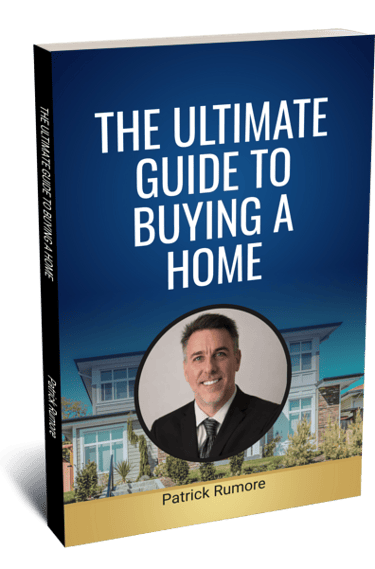
Patrick Rumore wrote The Ultimate Guide to Buying a Home in New Jersey to help buyers understand each step of the process before they begin searching for homes.
The guide explains how the process works, what to expect, and how to avoid common mistakes.
Get the Complete Home Buying Guide
If you are planning to buy a home in New Jersey, you can request a free copy of The Ultimate Guide to Buying a Home in New Jersey.
The guide explains the entire home buying process step by step and includes helpful worksheets designed to help buyers prepare before they begin their search.
Request your copy below.
Read the digital version online (or order the printed copy) and receive links the
supplemental worksheets, checklists, and buyer strategy guides.